Build a solid foundation through proper squat and deadlift technique.
Many people overlook how much their lower body pain stems from weak foundational movements. Knee, ankle, back and hip issues often trace back to poor squat mechanics or insufficient core stability. When you actively engage your core during compound lifts, you create a solid connection between your feet, knees and upper body that ripples through every exercise you do. Think about your squat stance: your feet anchor the entire movement, preventing any wobbling or sagging as you descend. Too many lifters let their elbows drift forward on the way down, breaking that crucial tension. Instead, pull your elbows back to maintain a strong arch and stay connected to the ground.
This simple adjustment alone can transform your squat and protect your lower back from unnecessary strain. Getting into proper squat and deadlift patterns takes practice, but the payoff is enormous. Start by standing on the floor and lowering yourself until your feet touch down — stop just before that point. That's your box squat depth. Work on getting deeper to activate your posterior chain without sacrificing form. A little external weight actually helps you feel the movement better, teaching your body the correct position.
🥕
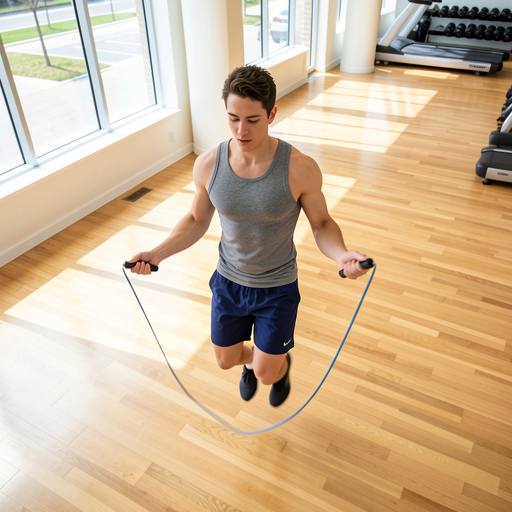
This is especially important if you're also trying to use the rope for conditioning, because jump rope exercises demand the same ankle stability and core engagement you're building in the gym. When your squat mechanics are solid, your conditioning sessions become safer and more effective. The connection between a strong posterior chain and athletic movements like running or skipping cannot be overstated. The deadlift follows similar principles, though the emphasis shifts slightly. You need to feel yourself pressing into the floor, creating maximum tension through your entire body. Imagine your feet are rooted — this mental image alone changes how you pull.
🦖
When you can't stand tall under the bar, it's often because your weight distribution is off or your core has disengaged. A weak squat inevitably hurts your deadlift and vice versa. These movements reinforce each other, building a foundation that supports everything else in your training program. If you're training for sports that require explosive movement, understanding these connections becomes even more critical. No matter your goals, the strength you build through proper squatting and deadlifting transfers directly to athletic performance. Don't rush the process.
🎃
Spend time mastering bodyweight squats before adding load. Film yourself, check your form and be honest about where you're breaking down. Whether you're preparing to jump rope with a training jumprope for cardio or just want to move better in daily life, strong legs and a reliable core serve you well. Consistency beats intensity every single time. Pick three quality squat and deadlift sessions per week, progress slowly and watch how your entire body responds. The strength you build today becomes the foundation for everything you'll do tomorrow.