How to structure a jump rope session with an effective warm-up and recovery routine.
This progressive approach to warming up ensures your joints are lubricated and your nervous system is firing on all cylinders before you commit to anything more intense. Once your body is prepared, you are ready to move into the work phase and few exercises deliver the kind of full-body engagement that jumping rope provides. When you pick up a rope, you are not just getting a cardio session; you are training coordination, timing and endurance all at the same time. The rhythm of the rope against the floor keeps your mind focused while your legs and shoulders do the heavy lifting. Start with basic bounces, letting the rope pass beneath your feet in a steady cadence and resist the urge to jump higher than necessary.
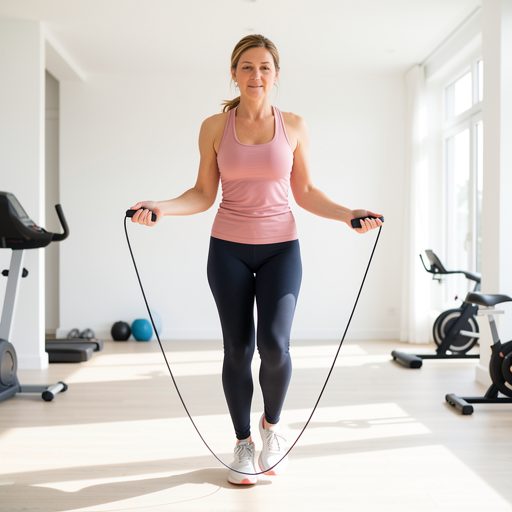
Keeping those jumps low and efficient saves energy while building the specific muscles you rely on for sustained performance. As your breathing steadies and your rhythm clicks into place, you will notice how to jump rope becomes second nature and the session starts to feel less like exercise and more like flow. Beyond the cardio benefits, the strength work embedded in a solid jumping rope practice should not be underestimated. Your forearms and grip work overtime trying to keep that handle spinning smoothly while your shoulders and upper back fight to maintain good posture even as fatigue sets in. If you want to challenge yourself further, try variations like alternating foot patterns or incorporating light kicks between sets to keep your body guessing.
👨🏽🚀
The key is consistency over intensity when you are first building your foundation. Show up regularly, keep your form honest and let your endurance grow organically rather than pushing through pain that will only slow your progress down. Most people find that after a few weeks of dedicated practice, the jumps that once felt exhausting now come effortlessly. The final phase of any good workout should honor what your body has just accomplished through recovery and mobility work.
🐼
After the intensity of your session, spend a few minutes stretching out your calves, hamstrings and shoulders to prevent stiffness from setting in tomorrow. Gentle movements like side kicks and controlled overhead reaches help flush lactic acid from tired muscles while restoring your full range of motion. Do not skip this cool-down period even when your schedule feels tight, because the recovery you invest in now directly impacts how well you perform next time. A well-rounded approach to fitness means valuing rest and flexibility just as much as the hard work and that balance is what keeps you coming back for more week after week.
🎖️